What Is Truck Dispatching?
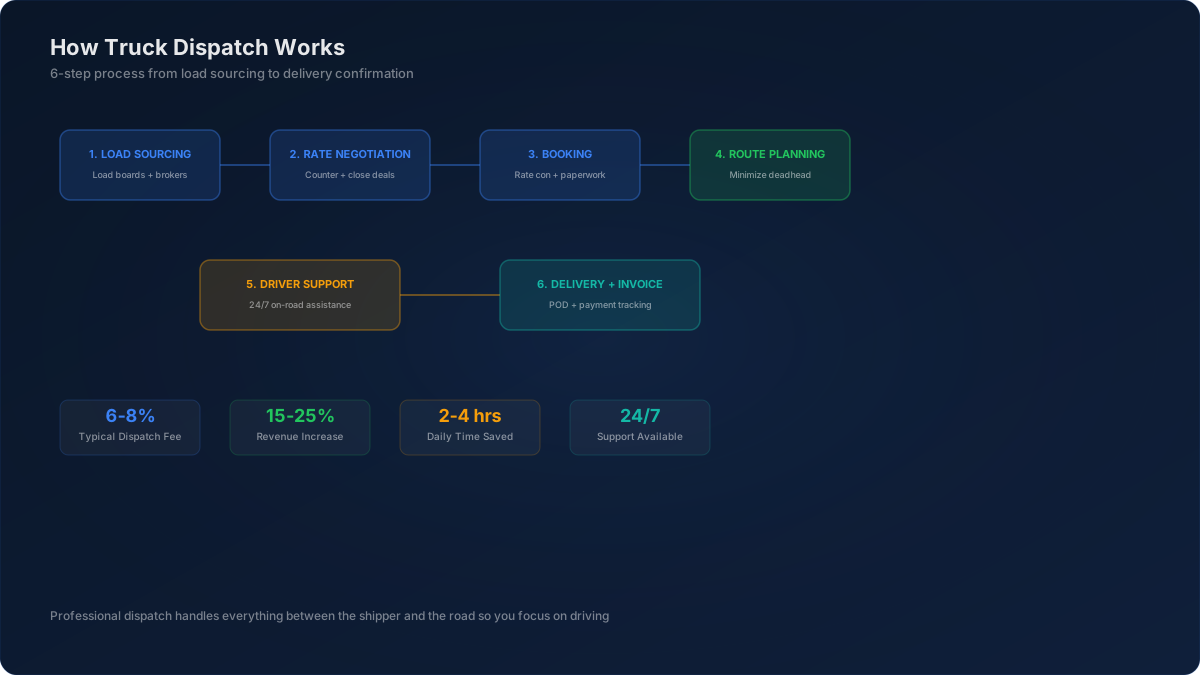
Truck dispatching is the process of finding, booking, and managing freight loads for carriers. A professional dispatcher acts as the bridge between the carrier (you) and the freight market — handling load sourcing, rate negotiation, paperwork, and operational support so you can focus on driving.
Think of a dispatcher as your business partner on the operations side. While you handle the driving and equipment, they handle everything else that makes your truck profitable: finding the right loads, getting the best rates, ensuring you're not running empty, and keeping paperwork organized.
For owner-operators and small fleets, professional dispatch is often the difference between surviving and thriving. The carriers who consistently earn $250,000+ per year almost always have strong dispatch support — either in-house or through a service like ours.
What a Truck Dispatcher Does Every Day
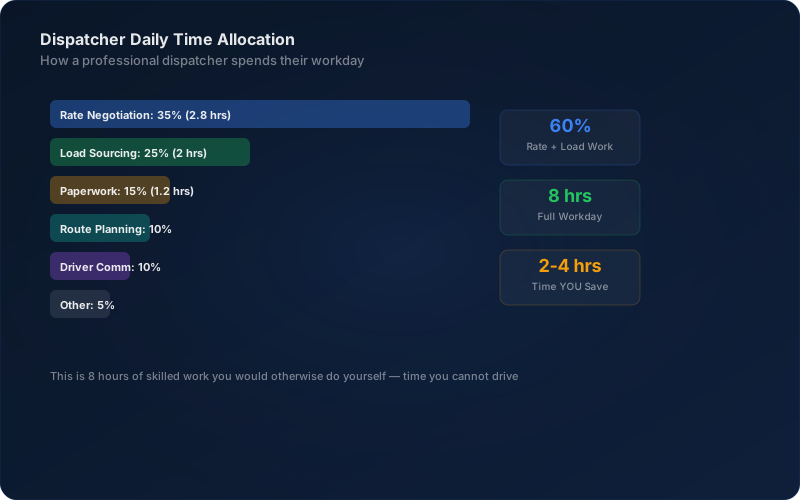
A professional dispatcher's work breaks down into five core areas. Understanding each helps you evaluate what you're getting for your dispatch percentage.
Load Sourcing & Selection
Dispatchers search load boards (DAT, Truckstop, 123Loadboard), check direct shipper contracts, and leverage broker relationships to find available freight. But the real skill isn't finding loads — it's finding the RIGHT loads. Your dispatcher evaluates each option based on rate per mile, deadhead distance, delivery timeline, and how the load positions you for your next pickup.
Rate Negotiation
This is where dispatchers earn their percentage. They negotiate with brokers and shippers to get the highest possible rate for each load. An experienced dispatcher knows the market rate for every lane and won't accept below-market offers. They also understand when to hold out for better rates and when market conditions favor booking quickly.
Paperwork & Documentation
Rate confirmations, bills of lading (BOLs), proof of delivery (PODs), insurance certificates, and invoicing — the paperwork never stops. Your dispatcher handles all of this, ensuring documents are accurate, submitted on time, and organized for your records. This alone saves most carriers 8-12 hours per week.
Route Planning & Optimization
Dispatchers don't just find loads — they plan your entire week. They consider fuel costs along different routes, truck stop locations, HOS (Hours of Service) compliance windows, and how each delivery positions you for the next pickup. The goal: maximize loaded miles while minimizing deadhead and downtime.
24/7 On-Road Support
Problems happen: detention at shippers, weather delays, equipment issues, broker disputes. Your dispatcher is your first call. They handle rebooking, negotiate detention pay, communicate with brokers and receivers, and keep your schedule on track even when things go wrong.
Dispatch Service vs. Self-Dispatching
Many owner-operators start by self-dispatching — searching load boards themselves, calling brokers, and handling their own paperwork. It saves the dispatch percentage, but it costs something more valuable: time and earning potential.
Self-dispatching typically takes 2-4 hours per day. That's 2-4 hours you're not driving, not earning revenue, and not resting. Most carriers who switch to professional dispatch report earning 15-25% more gross revenue — far exceeding the 6-8% dispatch fee.
The math is straightforward: if you gross $15,000/month self-dispatching and a professional dispatcher helps you gross $18,000/month, the 6% fee ($1,080) costs you far less than the $3,000 in additional revenue you're earning. For a deeper comparison, see our Dispatch vs. Self-Dispatch guide.
How to Get Started with a Dispatch Service
Getting set up with professional dispatch is simpler than most carriers expect. Here's what you'll need:
- MC Authority — Your motor carrier operating authority from the FMCSA
- Insurance Certificates — Current liability and cargo insurance
- Equipment Details — Truck and trailer type, capacity, and any special capabilities
- Preferred Lanes — Where you like to run and any areas you want to avoid
- Rate Expectations — Your minimum acceptable rate per mile
At Truck Dispatch Experts, we can have you dispatched within 24-48 hours of receiving your paperwork. No long-term contracts — work with us as long as it makes you money. Visit our Get Started page to begin.
What Makes a Good Dispatch Service
Not all dispatch services are created equal. Here are the hallmarks of a quality operation:
Equipment Specialization
Dispatchers who specialize in your trailer type understand the freight, rates, and lanes specific to your equipment.
Transparent Pricing
Clear percentage with no hidden fees. You should know exactly what you're paying and what you're getting.
No Long-Term Contracts
Confident services don't lock you in. If they're doing a good job, you'll stay because you want to.
24/7 Availability
Freight doesn't respect business hours. Your dispatcher should be available when you need them.
For a deeper dive into evaluating dispatch companies, read our How to Choose a Dispatch Company guide.
Related Resources
- Dispatch vs. Self-Dispatch — Detailed comparison with revenue math
- Rate Negotiation Tips — How dispatchers get you higher rates
- DAT Load Board — Industry-leading freight marketplace
- Truckstop — Load board and rate analytics platform
Truck Dispatch Experts
Published Jan 15, 2025 · Updated Feb 1, 2026