Double Brokering Is the Biggest Threat to Your Revenue
You haul a load. You deliver on time. You submit your paperwork. Then the check never comes. The broker you thought you were working with doesn't exist — or worse, the load was re-brokered through a fraudulent intermediary who took the payment and disappeared. You're out thousands of dollars, and there's limited recourse.
Double brokering has exploded in recent years. The combination of easy-to-obtain broker authority, digital load boards, and limited enforcement has created an environment where freight fraud thrives. This guide teaches you to protect yourself before you pick up that load.
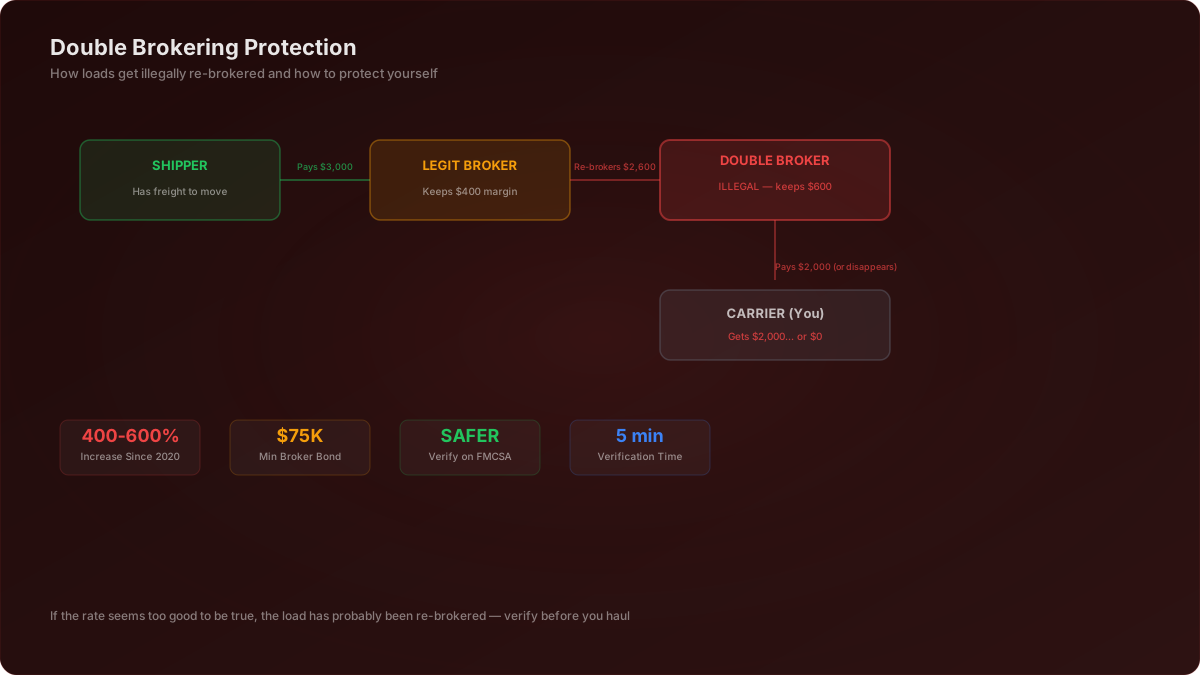
How Double Brokering Works
Understanding the scam helps you spot it. Here's the typical flow:
Shipper Posts Load
A shipper needs freight moved. They hire Broker A (legitimate, bonded, established).
Broker A Accepts
Broker A books the load from the shipper at $3,500. They need a carrier to haul it.
The Double-Broker Enters
Instead of booking a carrier directly, Broker A (or someone pretending to be Broker A) re-brokers the load to Broker B at $3,000.
Broker B Finds You
Broker B posts the load on a board or calls you directly, offering $2,500. The rate is still decent, so you take it.
You Haul the Load
You pick up, deliver, and submit your BOL and invoice — to Broker B.
Payment Disappears
Broker B collects from the chain above them, pockets the money, and either delays your payment indefinitely or vanishes entirely. You have no direct relationship with Broker A or the shipper.
Key insight: The rate confirmation you signed is with Broker B — who may not even be authorized to broker freight. Your legal recourse is limited because you have no contract with the shipper or the legitimate broker in the chain.
12 Red Flags of Double-Brokered Loads
No single red flag is definitive, but if you see 2-3 of these on the same load, proceed with extreme caution:
Rate is unusually high for the lane
Above-market rates can indicate the load has been marked up through multiple brokers.
Broker's MC is less than 6 months old
New authorities are higher risk. Scammers obtain authority, run scams, then abandon the MC.
Broker can't answer basic load questions
If they don't know commodity type, weight, or shipper details, they may not have the direct relationship.
Rate confirmation has a different company than who called you
The company on the paperwork doesn't match the person who contacted you.
They pressure you to pick up immediately
Urgency prevents you from doing due diligence. Legitimate brokers understand verification.
Payment terms are vague or unusually fast
'Quick pay in 24 hours' can be bait. Legitimate fast-pay usually comes from factoring companies, not brokers.
They ask you not to contact the shipper directly
Legitimate brokers may prefer to manage communication, but refusing all shipper contact is suspicious.
Multiple load boards show the same load from different brokers
If 3 different 'brokers' are posting the same load, it's being re-brokered through the chain.
Broker's phone number doesn't match FMCSA records
Always verify the broker's phone number against the official SAFER System listing.
They use a Gmail/Yahoo email instead of company domain
Established brokers use company email domains, not free email services.
Rate confirmation has unusual terms or missing information
Incomplete rate confirmations, missing MC numbers, or no broker bond information.
You can't find the company online at all
No website, no reviews, no social media, no industry presence — major red flag.
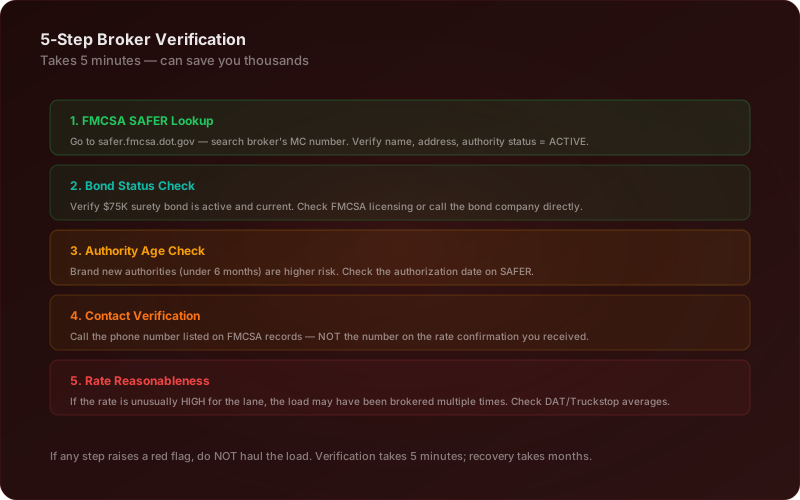
The 5-Minute Broker Verification Process
Before accepting any load from an unfamiliar broker, spend 5 minutes on these verification steps. It could save you thousands:
Check FMCSA SAFER System
1 minGo to safer.fmcsa.dot.gov and search the broker's MC or DOT number. Verify: authority is Active, their operating status is Authorized, and the entity type shows Broker. Note the phone number listed.
Verify Surety Bond
30 secOn the same SAFER page, click the bond/insurance link. Every broker must carry a $75,000 surety bond (BMC-84) or trust fund (BMC-85). If the bond is expired, cancelled, or missing — do not haul. This is your payment backstop.
Call the FMCSA-Listed Number
2 minCall the phone number listed on the FMCSA record — NOT the number the broker gave you. If the person who answers doesn't recognize the load, you may be dealing with an impersonator who obtained someone else's MC number.
Check Authority Age and Reviews
1 minHow long has the broker held their authority? Under 6 months is higher risk. Check Carrier411, FreightGuard, or Google reviews. Multiple non-payment complaints are an obvious red flag.
Verify Rate Confirmation Details
30 secThe company name, MC number, address, and phone on the rate confirmation should match FMCSA records exactly. Any discrepancy means the rate confirmation is either fraudulent or the broker is operating under a different entity.
How Professional Dispatch Protects You
One of the underrated benefits of professional dispatch is fraud protection. Here's how good dispatchers shield carriers from double brokering:
Vetted Broker Lists
Professional dispatchers maintain lists of verified, trusted brokers they've worked with for years. These established relationships dramatically reduce fraud risk.
Verification on Every Load
Before booking any load, dispatchers verify broker authority, bond status, and reputation. They catch red flags that an individual carrier might miss under time pressure.
Pattern Recognition
Experienced dispatchers see hundreds of loads per week. They recognize double-brokering patterns — unusual rates, unfamiliar entities, suspicious terms — from experience.
Direct Broker Relationships
Many loads come from brokers the dispatcher has worked with for years. These established relationships bypass load boards entirely, eliminating the primary channel for fraud.
Payment Follow-Up
Dispatchers track payment on every load and follow up aggressively on late payments. They catch payment issues early before they become uncollectable losses.
Industry Intelligence
Dispatch companies share fraud alerts across their carrier network. When one carrier encounters a scam, the dispatcher warns all their carriers immediately.
What to Do If You've Been Double-Brokered
If you've already hauled a load and suspect it was double-brokered, take these steps immediately:
Document everything
Save all communications (texts, emails, phone records), rate confirmations, BOLs, lumper receipts, and any other paperwork. Screenshot the load posting if still available.
Contact the original broker listed on FMCSA
Use the phone number from SAFER System records. Explain the situation. They may not know their loads are being re-brokered and can help resolve payment.
File a claim against the broker's surety bond
Every broker must maintain a $75,000 bond. You can file a claim directly with the surety company listed on the FMCSA record. This is your primary payment recovery tool.
File an FMCSA complaint
Report the double brokering to FMCSA's National Consumer Complaint Database (nccdb.fmcsa.dot.gov). This creates an official record and may trigger enforcement action.
Notify your factoring company
If you factored the invoice, notify them immediately. They may have their own fraud investigation and recovery processes.
Report on industry platforms
Post the experience on Carrier411, FreightGuard, and relevant trucker forums/Facebook groups. This warns other carriers and creates public pressure.
Consider legal action
For large amounts ($5,000+), consult a transportation attorney. The costs of legal action may be worth it for significant losses, especially if the broker is identifiable.
Free Verification Resources
Official broker/carrier authority lookup — MC number, bond status, operating authority
File complaints about broker fraud, double brokering, and non-payment
Broker and carrier reviews from the trucking industry
Fraud alerts and broker reliability reports (via Carrier411)
Related Resources
- Best Dispatch Companies 2026 — How to evaluate dispatch companies for reliability
- Freight Factoring Guide — How factoring interacts with broker payment
- New Authority Checklist — Setting up your MC and protecting your business
- How to Choose a Dispatch Company — Vetting dispatch services for reliability
Truck Dispatch Experts
Published Feb 15, 2026 · Updated Mar 1, 2026